
Dimensions Centre for Child Development
India's Premier Hub
for Pediatric Therapy
A leading autism, speech, feeding, behaviour & sensory integration centre in India.

From Bangalore, to the World
DCCD's telehealth programme serves families across every state in India and internationally — from the US to the Middle East to Europe.
Every Child Deserves
to Be Heard.
We are a leading autism therapy centre in India, specialising in helping children build meaningful communication, functional independence, academic skills, and active participation in everyday life through our outcome-driven model.
Our multidisciplinary team delivers internationally benchmarked, sensory integration-based speech, occupational, behaviour, remedial, feeding, and reflex integration therapies tailored to your child's unique developmental milestones.
23+
Years Experience
16,000+
Therapy Sessions/Year
15,000+
Children Impacted
1,600+
Clinicians Trained

Comprehensive Support for Complex Needs
Evidence-Based Interventions
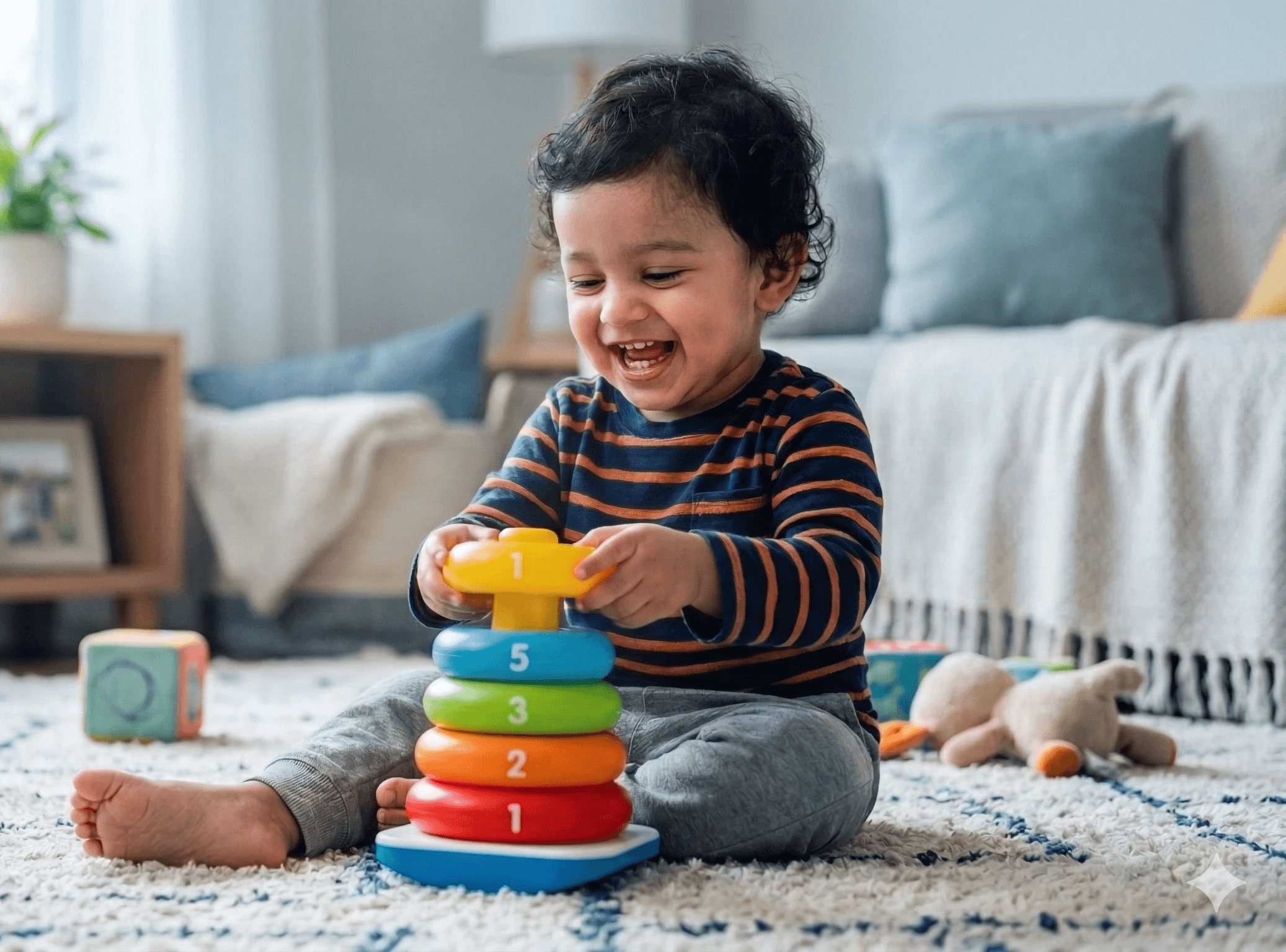
Speech & Language Therapy
One-on-one sessions using visual aids and tactile methods to build confident communication.
Learn more about Speech & Language Therapy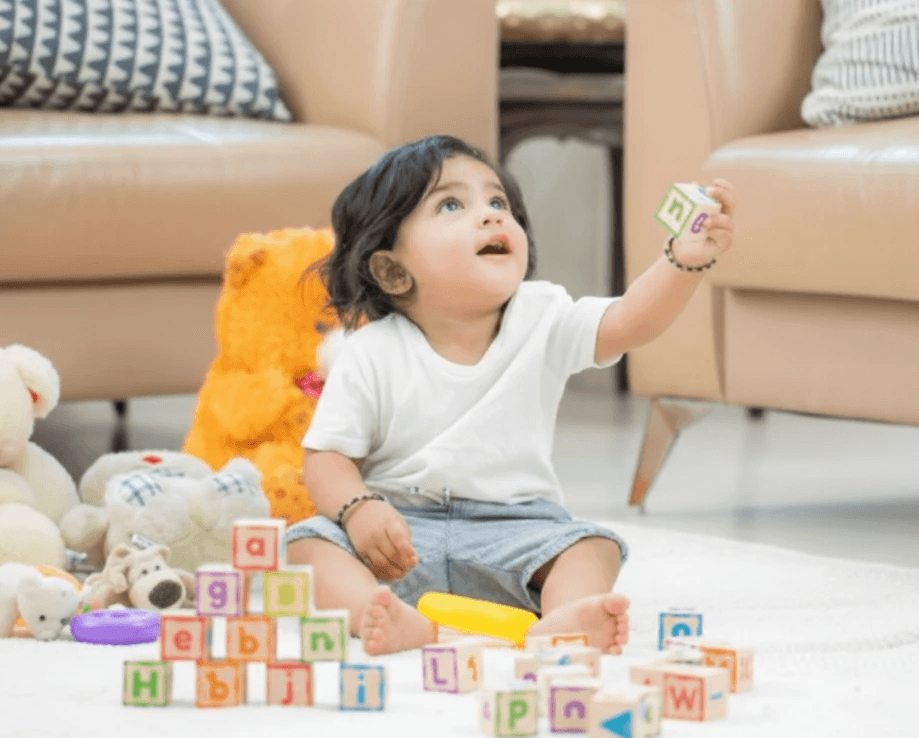
Pediatric Feeding Therapy
Specialist support for sensory-based eating challenges and oral aversions.
Learn more about Pediatric Feeding Therapy
Occupational Therapy
Building sensory regulation and fine motor skills for daily independence.
Learn more about Occupational Therapy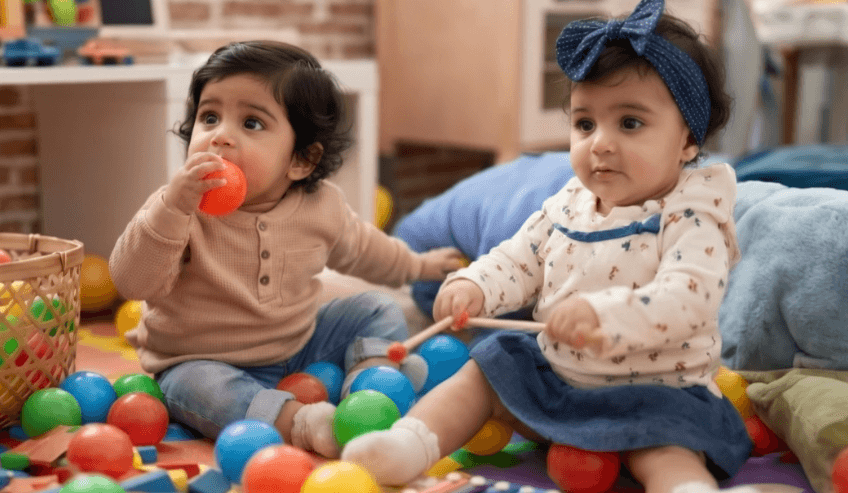
Early Intervention
Maximizing potential during the critical 0–3 year developmental window.
Learn more about Early InterventionHow We Think About Therapy
Every method we use is intentional — built on science, shaped around the child, and centred on family.
Clinical Approaches
Addressing how the brain organises sensory input to support attention, regulation, and readiness to learn.
Resolving retained primitive reflexes that interfere with motor development and learning readiness.
Supporting safe swallowing, oral motor function, and positive mealtime experiences for every child.
Improving intelligibility and communication confidence through targeted articulation therapy.
Our Practice Model
Therapy built on trust, attunement, and meaningful connection between child, therapist, and family.
Goals and activities shaped around each child's strengths, interests, and individual pace of growth.
Interventions grounded in current research and refined continuously through real clinical outcomes.
Families are active participants who carry therapy gains into everyday life — not just observers.
How We Work Together
Every child's journey is unique — but the process is always clear, collaborative, and built around your family.
Enquire
Fill in our contact form or send a WhatsApp. We respond within 24 hours.
Assessment
A 40-minute clinical intake to understand your child's full developmental profile.
Your Report
Detailed written findings with diagnosis (if applicable) and clear therapy recommendations.
Therapy Plan
Goals set collaboratively with your family. You review and approve every step.
Sessions
Weekly hands-on therapy with integrated parent coaching for carry-over at home.
Progress Review
Regular milestone checks every 8–12 weeks. The plan adapts as your child grows.
Enquire
Fill in our contact form or send a WhatsApp. We respond within 24 hours.
Assessment
A 40-minute clinical intake to understand your child's full developmental profile.
Your Report
Detailed written findings with diagnosis (if applicable) and clear therapy recommendations.
Therapy Plan
Goals set collaboratively with your family. You review and approve every step.
Sessions
Weekly hands-on therapy with integrated parent coaching for carry-over at home.
Progress Review
Regular milestone checks every 8–12 weeks. The plan adapts as your child grows.
Transformations That Matter
"The team genuinely cares. Chitra's approach gave us hope when we had none."
Priya Sharma
Parent of 4-year-old
"The difference is night and day. They eat a full range of foods now and communicate confidently."
Anand K.
Parent of twins
"Nothing compares. The parent coaching sessions made this a home for our family."
Meena Iyer
Parent of child with autism
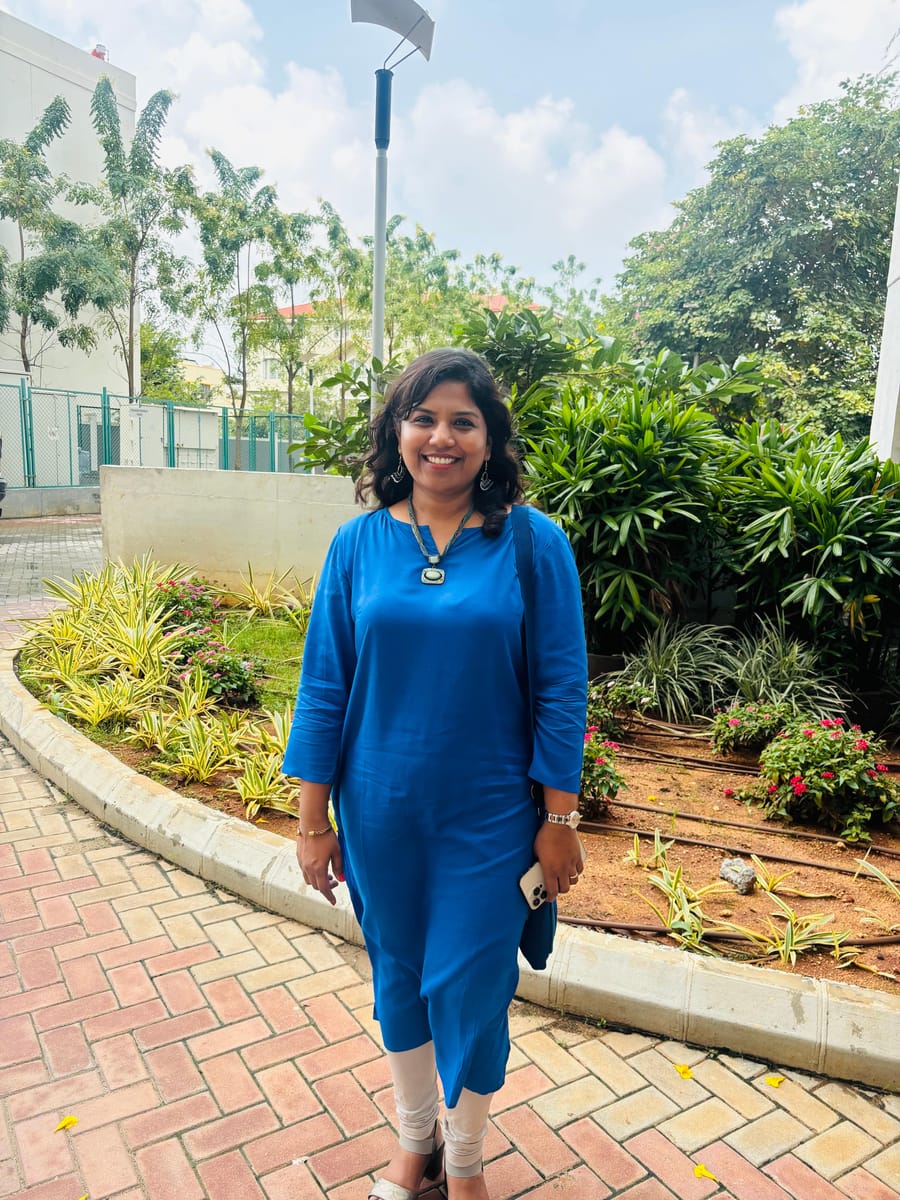
Meet Chitra Thadathil
Director, Founder & Clinical Head
With over 22 years as a Speech-Language Pathologist, Chitra has mentored thousands of professionals and parents across India and globally, shaping the standard of pediatric care.
- PG Certificate in Sensory Integration, UK
- Master's in Speech & Hearing, Bangalore University
- Advanced certifications: PROMPT, SOS Approach, DIR Floortime
A Partner for the Long Journey
Evidence-Based
Protocols grounded in peer-reviewed clinical research.
Multidisciplinary
SLPs, OTs, and feeding specialists collaborating seamlessly.
Parent Education
We train you to be your child's greatest therapist.
Global Reach
Impacting clinicians and families in over 15 countries.
Free Parent Resources
Downloadable guides to help you understand your child's development.
Developmental Milestones Checklist
5 Signs Your Child May Need Speech Therapy
Feeding Therapy FAQ
Frequently Asked Questions
View all FAQsParent Insights & Global Telehealth Guides
Expert strategies, clinical frameworks, and administrative resources curated by our multidisciplinary child development team.
Bypassing the NHS Waitlist: How Online Pediatric Speech Coaching Keeps Your Child on Track
Stuck on a 6-to-12-month public healthcare waiting list? Discover how our rapid 48-hour teletherapy intake model prevents critical milestone delays.
The Mechanics of Speech Clarity: Why Oral Placement Therapy (OPT) Works Better Than Imitation
Traditional speech therapy relies heavily on imitation. Learn how specialized tactile-proprioceptive tools physically teach oral muscle placement.
Managing Out-of-Pocket Therapy Expenses: A US Parent's Guide to Superbills & HSA Funds
Private US therapy can scale up to $250/hour. Find out how to utilize clinical Superbills to leverage insurance reimbursements or HSA accounts.